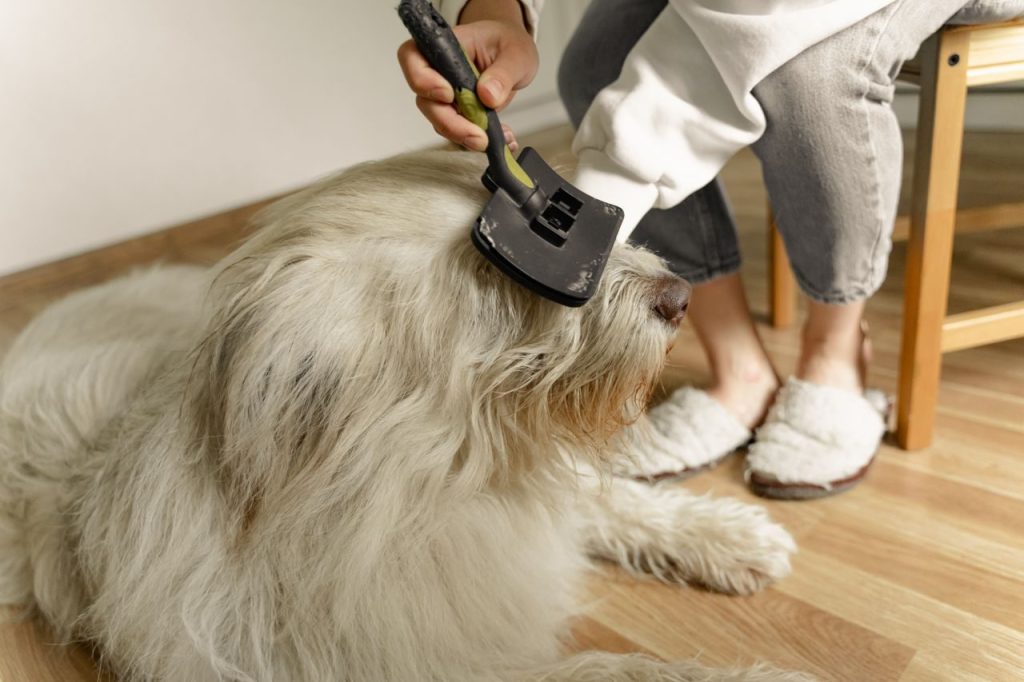
Planning Choice Points for Your Dog During Kitchen Food Preparation Times
A focused checklist for building simple decision points into kitchen routines so dogs can opt in or out while meals are prepared.
Read the story
Walks, play, care and quieter moments at home. Explore practical ways to meet your dog’s needs, read behaviour in context and know when to ask for qualified help.
All articles ↗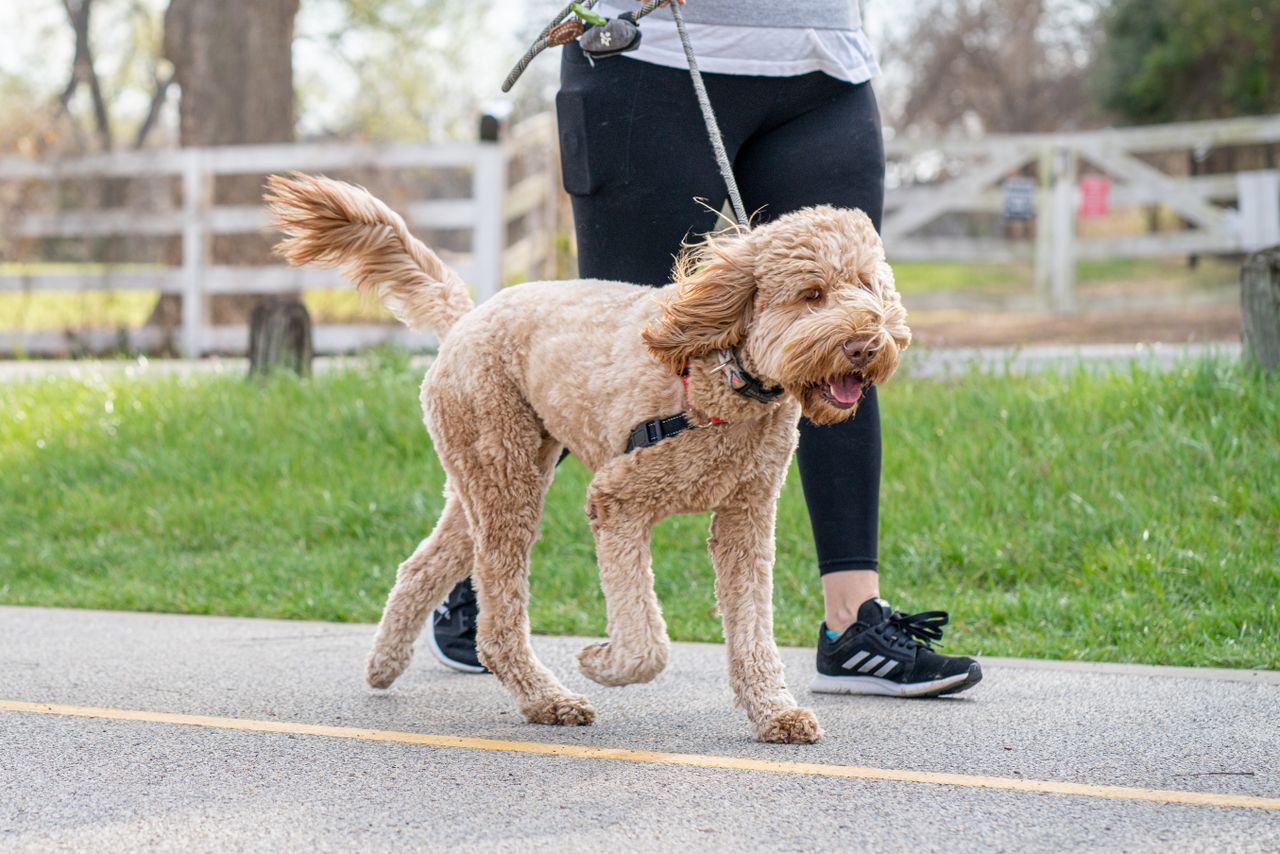 THE EVERYDAY DOG JOURNAL
Time to sniff. A comfortable place to rest. A familiar routine. Read your dog’s behaviour with the whole day in mind.
A focused checklist for building simple decision points into kitchen routines so dogs can opt in or out while meals are prepared.
Read the storyPractical ways to spot and fix errors when offering dogs more say over everyday household moments such as resting, feeding and movement.
Read the storyOwners can compare detailed context notes with brief impressions to record their dog’s everyday choices more effectively during household routines.
Read the storyOwners can compare detailed context notes with brief impressions to record their dog’s everyday choices more effectively during household routines.
Read the storyA practical approach to reviewing leads, beds, toys and feeding items on a regular basis so they continue to suit daily use.
Read the storyGarden circuits let dogs decide direction, pace and pauses within a familiar setting while owners focus on access points and simple surface options.
Read the storyHow to keep practical notes on meals and routines so conversations with a vet stay focused and useful across the years.
Read the storyA checklist approach to preparing a suitable quiet area when home routines change, based on observation of individual preferences and practical household adjustments.
Read the storyCompare how movement through rooms affects where a dog settles during daily routines and how to adjust placements based on observed preferences.
Read the storyObservation, household routines and practical welfare questions.
↗02Humane observation and training questions without diagnosis or coercion.
↗03Understanding food information and preparing informed veterinary questions.
↗04Environment, access and choice rather than universal exercise formulas.
↗05Practical equipment comparisons, product instructions and choices that support your dog’s everyday care.
↗06Source literacy and professional conversations for responsible dog ownership.
↗Understanding food information and preparing informed veterinary questions.
All articles ↗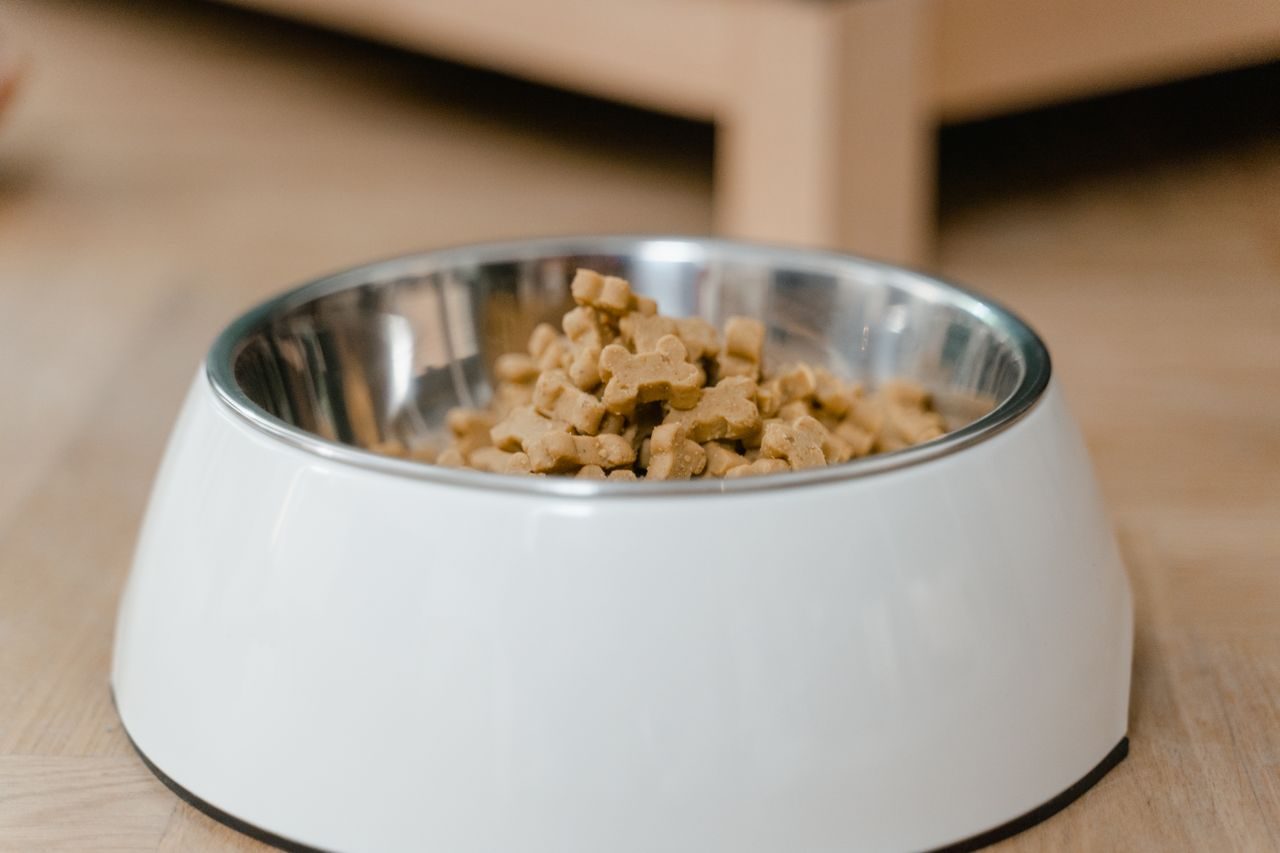
Walks, play, care and quieter moments at home. Explore practical ways to meet your dog’s needs, read behaviour in context and know when to ask for qualified help.
Editorial standards ↗